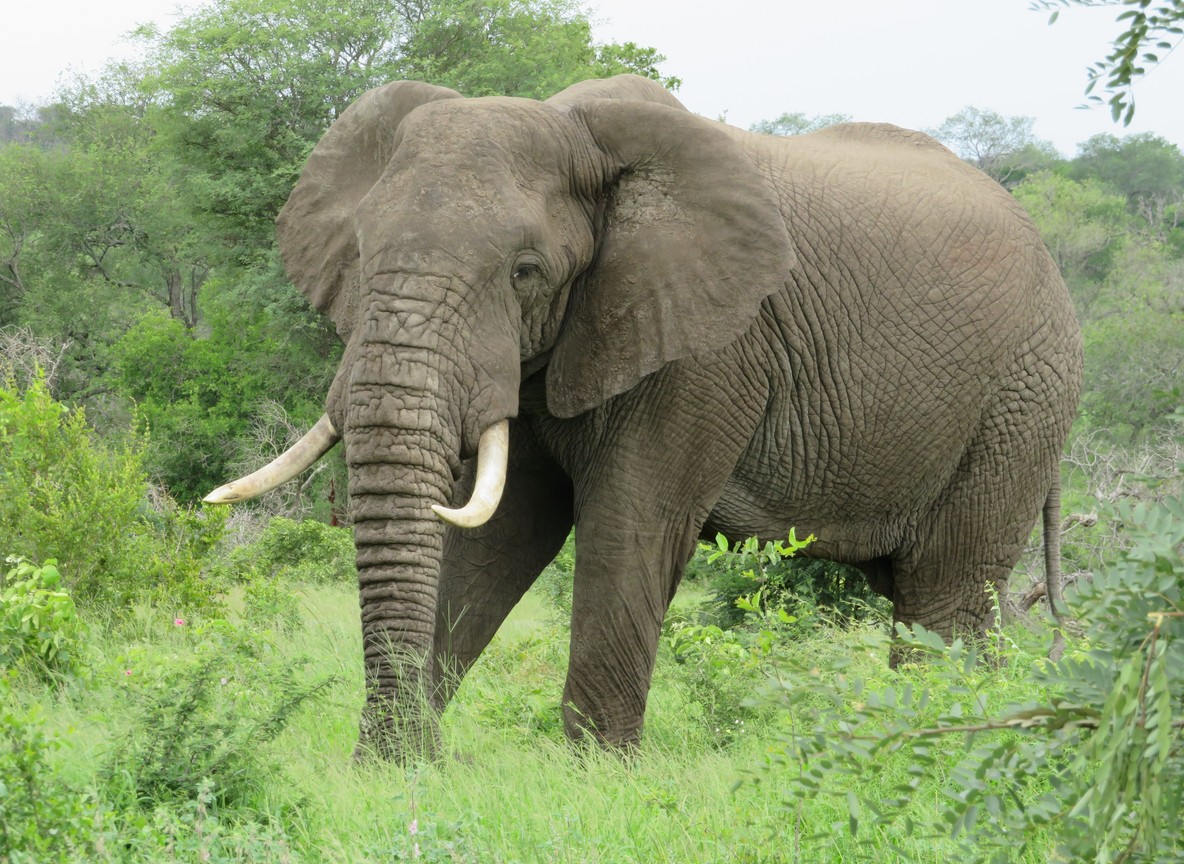
Big Life Foundation confirmed on July 5, 2026, that One Ton, one of Amboseli’s last great tuskers, had died of natural causes in the Chyulu Hills. He was found roughly 60 km from where he was most often photographed near Amboseli’s swamps. That distance is the story. One Ton did not live in one park. He moved through a corridor connecting Amboseli, Kimana Sanctuary, the Chyulu Hills, and Tsavo West, and his death is a reminder of how narrow that route has become. Touring Insights explains what the corridor is, why it matters for the world’s last big tuskers, and how to plan a visit that follows it.
What the Amboseli-Tsavo Wildlife Corridor Actually Is
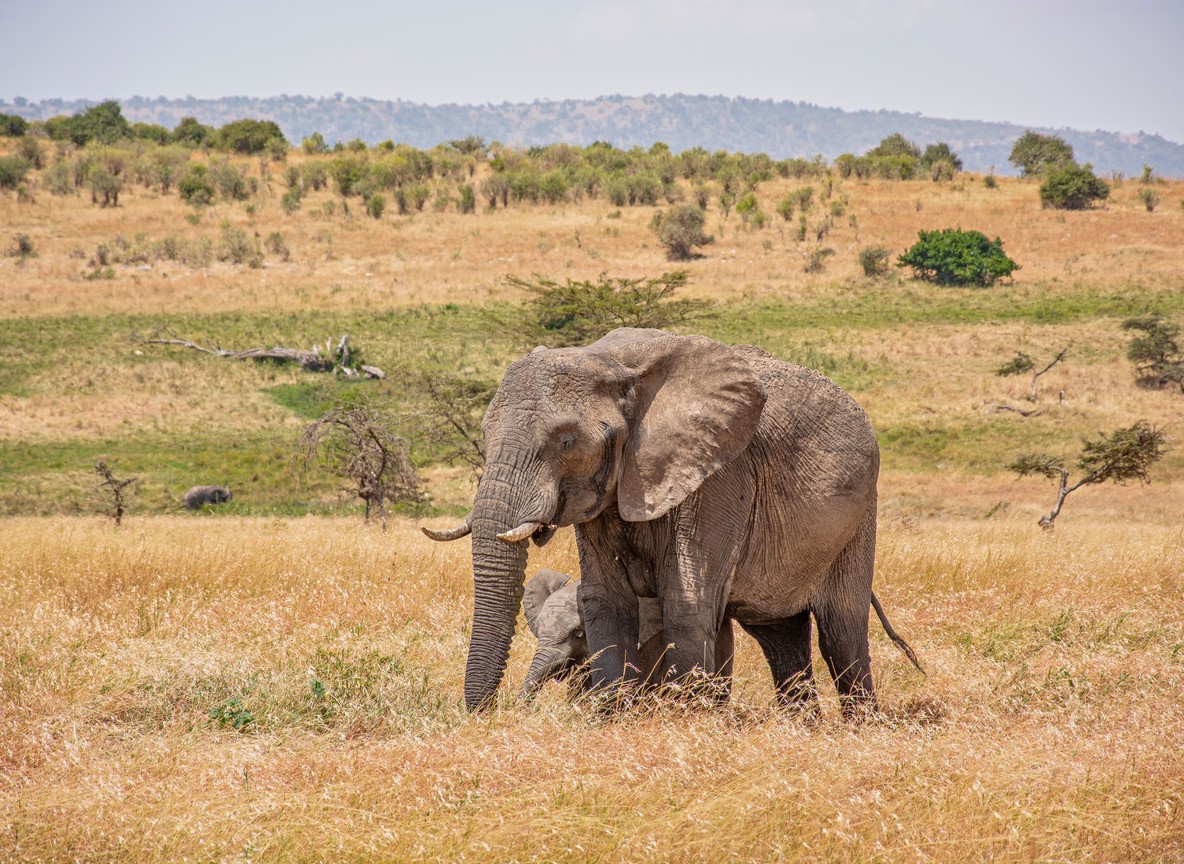
The corridor is not a park. It is a chain of community and government land that lets elephants and other wildlife move between four protected areas: Amboseli National Park, Kimana Sanctuary, Chyulu Hills National Park, and Tsavo West National Park. Without it, Amboseli’s elephant population would be boxed in by farms and fences during the dry season, with no route to Tsavo’s larger dry-season range.
Kimana Sanctuary sits at the narrowest point. Established in 1996 on Maasai community land, it was Kenya’s first community-owned wildlife sanctuary. At its tightest section, the corridor through Kimana is only about 70 meters wide, squeezed between farmland on both sides. Big Life Foundation and the Kimana Group Ranch manage the sanctuary jointly, and lease fees paid by camps operating inside it go directly to the community landowners.
Why Super Tuskers Depend on This Route
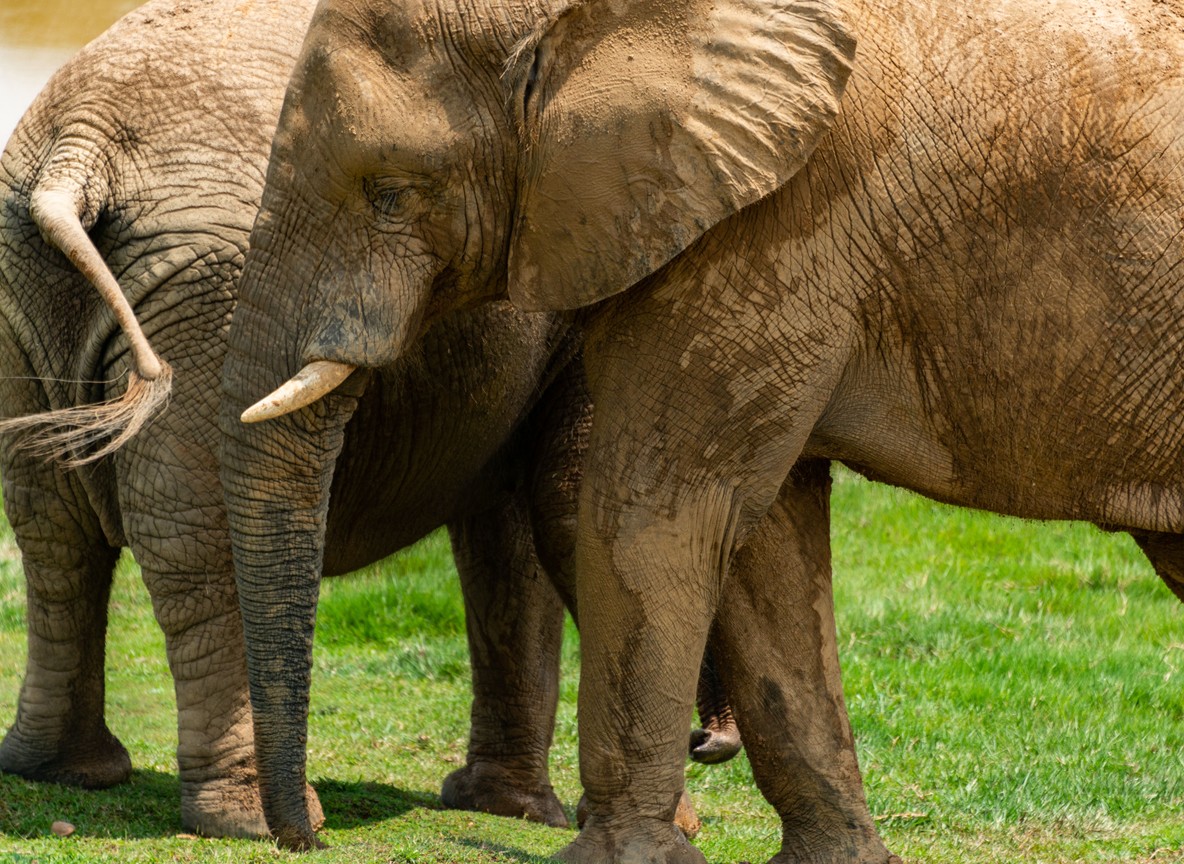
A super tusker is an elephant whose tusks each weigh more than 45 kg, sometimes long enough to drag on the ground. Fewer than 20 are believed to survive across Africa, and Amboseli holds the largest cluster of them anywhere. That is largely due to the Amboseli Trust for Elephants, which has tracked more than 1,600 individually identified elephants across five decades, giving rangers and researchers a named history for animals like Craig, Tim, Tolstoy, and One Ton.
These bulls do not stay inside Amboseli’s 392 km2 boundary. Old bulls in particular range widely, following food and water between Amboseli’s swamps and the denser bush of Tsavo West and the Chyulu Hills. Craig, who died of natural causes on January 3, 2026 at age 54, was known to make this same trip. His tusks were estimated at 2.1 meters long. Losing two tuskers in six months, Craig in January and One Ton in July, has put fresh pressure on keeping the corridor open as farming expands around Kimana.
Two earlier losses set the pattern researchers now watch closely. Tim, one of Amboseli’s most photographed bulls, died of natural causes in 2020 in his fifties. Tolstoy died in 2022 after a spear wound, the fourth spearing incident he survived in as many years, a sign of how conflict with farmers rises wherever the corridor narrows. Each of these bulls was collared or regularly tracked, so their movement data is part of why conservationists can point to Kimana as the exact pinch point worth protecting rather than guessing at a wider area.
How Big Life Foundation Protects the Corridor
Big Life Foundation runs the ranger network that covers Kimana Sanctuary and the wider corridor toward Chyulu Hills. Rangers patrol on foot and by vehicle, working alongside Kenya Wildlife Service teams based out of Amboseli and Tsavo West. Their main jobs are de-snaring, responding to human-elephant conflict calls from farmers near the corridor edge, and monitoring collared elephants like the bulls that made this route.
The foundation also manages land-lease payments to the Kimana Group Ranch, so community landowners receive income for keeping their plots open to wildlife instead of fencing or farming them. This lease model is why Kimana Sanctuary survived as a working corridor while other community land nearby was subdivided for agriculture. Camps operating inside the sanctuary, including Angama Amboseli, contribute a share of bed-night fees into this same lease structure.
The Corridor at a Glance: Sizes, Distances, and Fees
Real numbers help with trip planning more than a map alone. Here is how the four linked areas compare.
| Area | Size | Status | Non-resident entry fee (indicative) | Distance from Amboseli main gate |
|---|---|---|---|---|
| Amboseli National Park | approx. 392 km2 | KWS national park | USD 60-90 per day, check current KWS rate | – |
| Kimana Sanctuary | approx. 23 km2 (5,700 acres) | Community-owned sanctuary | USD 20-30 per day, paid via camp or gate | approx. 20 km from Meshanani Gate |
| Chyulu Hills National Park | approx. 741 km2 | KWS national park | USD 25-35 per day, check current KWS rate | approx. 60-70 km via Kimana-Chyulu track |
| Tsavo West National Park | approx. 9,065 km2 | KWS national park | USD 52-60 per day, check current KWS rate | approx. 70 km to Chyulu Gate |
Kelunyet Gate, on Amboseli’s eastern boundary, is the least-used of the park’s official gates but is the practical link for travelers driving the full Amboseli-Chyulu-Tsavo West route rather than backtracking to the Nairobi-Mombasa highway. The Kimana-Chyulu track between Kimana and Chyulu Gate can be rough after rain, so a 4×4 with clearance matters more here than on Amboseli’s main circuit.
Where to Stay Along the Corridor
A handful of camps are built specifically to sit inside this wildlife route rather than beside it. Angama Amboseli opened in 2023 inside Kimana Sanctuary and was named to Time’s World’s Greatest Places list in 2024, largely for its position on the elephant corridor with Kilimanjaro as a backdrop. Ol Donyo Lodge sits further along the route on Mbirikani Group Ranch, on one of the main elephant paths between Amboseli and the Chyulu Hills. Campi ya Kanzi, on Kuku Group Ranch, sits at the Chyulu Hills end of the corridor and works closely with Big Life’s ranger network that patrols the route.
Staying at one of these camps supports the same conservancy fees that keep the corridor from being fenced off or farmed over. That is a more direct conservation contribution than a standard park stay, since the land itself is not government-protected.
Best Time to See Elephants Moving Through the Corridor
Elephant movement peaks in the dry season, from June through October, when Amboseli’s swamps still hold water but surrounding farmland does not, pushing bulls to range further for browse. A second smaller movement happens in January and February, between the short and long rains. Wildlife sightings inside Kimana Sanctuary itself are best in early morning, since midday heat pushes elephants into the denser cover toward Chyulu Hills.
Explorer Notes
Rangers based at Kimana say the elephants that use this corridor tend to follow the same paths generation after generation, so guides can often predict a crossing within a few hundred meters based on the time of day and season. Ask a Kimana-based guide about “the fence line crossing” near the sanctuary’s eastern boundary, a known pinch point where bulls funnel through at dusk. Big Life’s tracking collars, fitted on several matriarchs and bulls, mean camp guides sometimes know an animal’s rough location before a game drive even starts. If a camp mentions a named elephant by radio, it is usually one of the collared individuals, not a guess.
FAQ
What is the Amboseli-Tsavo wildlife corridor? It is the chain of community and government land, including Kimana Sanctuary and Chyulu Hills National Park, that lets elephants and other wildlife move between Amboseli and Tsavo West.
Why are super tuskers concentrated in Amboseli? Decades of research by the Amboseli Trust for Elephants reduced poaching pressure and produced named, tracked bulls, several of which grew the long, heavy tusks that define a super tusker.
Is Kimana Sanctuary open to day visitors, or only camp guests? Both. Day visitors can enter for a fee, though camps inside the sanctuary generally include access as part of a stay.
How many super tuskers are left? Researchers estimate fewer than 20 survive across Africa, with Amboseli and this corridor holding the largest known concentration.
Can I drive the full corridor myself, or do I need a guide? A 4×4 can manage the route, but the Kimana-Chyulu track is unmarked in places. A local guide or camp transfer removes the guesswork, especially after rain.
Does visiting the corridor actually help conservation, or is that marketing? Bed-night fees at camps inside Kimana Sanctuary feed directly into Big Life Foundation’s land-lease payments to the Kimana Group Ranch, which is what keeps the community from fencing or farming the corridor. That is a measurable link, not a general claim.
Following this corridor works best as part of a wider Amboseli-Tsavo itinerary rather than a single-park stop. Check the Tour Packages page for operators already running routes through Kimana Sanctuary and Chyulu Hills, and confirm current park fees on the KWS eCitizen portal before locking in dates.
Further reading
More safari planning resources
- Amboseli map and guide from SafariPure
- Map of Amboseli from Valley Safaris
- Amboseli National Park guide on Touring Insights
- Amboseli destination guide on FindMySafari
Related guides: 3-Day Safari from Diani Beach: Amboseli or Tsavo?, Tee-Jay: Amboseli’s Next Super Tusker and the Ranger Who Has Watched Him Grow.